E-E-A-T in Health: The Strictest Field Search Engines Know
With health content, Google and AI assistants measure by a different yardstick: a mistake here can hurt someone, so the systems demand demonstrable expertise, not just well-written text. What that means for a clinic, pharmacy or supplement e-shop, why an anonymous health blog stands no chance and how to build credibility that can be referred to.
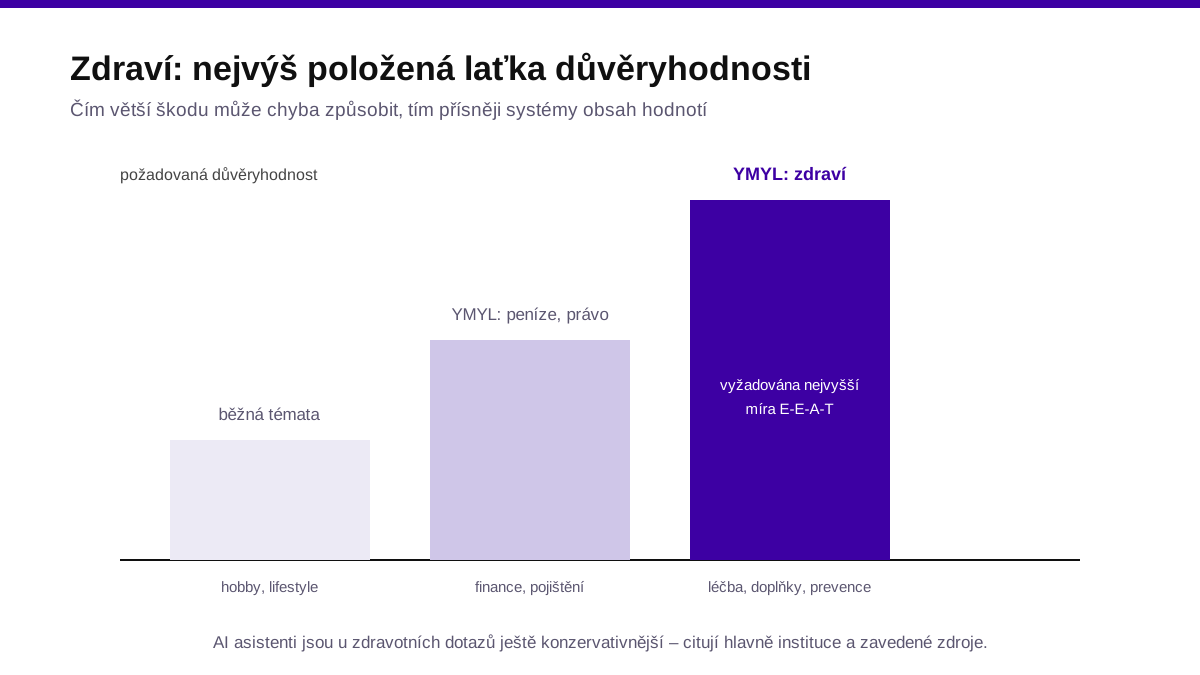
Search engines do not sort topics equally. Content whose errors can damage health or money falls into the YMYL (Your Money or Your Life) category – and health is the most strictly evaluated area within it. Google’s quality rater guidelines explicitly require the highest level of E-E-A-T for it: experience, expertise, authoritativeness and trustworthiness. AI assistants are even more conservative with health queries – they cite above all institutions, professional societies and established medical websites.
What that means in practice
That what passes elsewhere does not work in health. An anonymous article “10 tips to boost your immunity” on a company blog with no author stands no chance in organic search or in AI answers – no matter how well it is written. The systems ask: who claims this, what qualifies them to do so and who else confirms it?
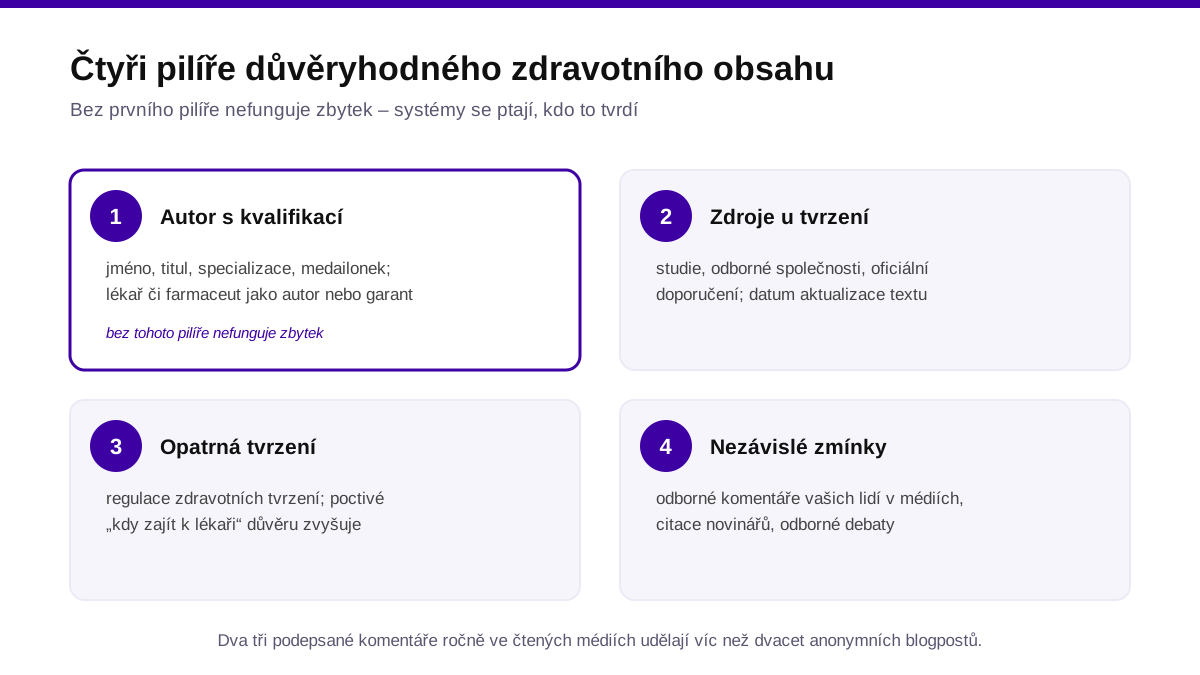
Four pillars without which it does not work
- An author with qualifications, visibly. Name, degree, specialization, a link to their profile. Ideally a physician, pharmacist or physiotherapist as the author or the professional guarantor – with their bio on the website, linked to all their texts.
- Sources next to claims. Links to studies, professional societies and official recommendations. An update date on texts where knowledge evolves.
- Cautious claims. With supplements and services, watch the regulation of health claims – promising treatment where you must not is a legal risk and suicide for credibility. An honest “when to see a doctor” in the text raises trust, it does not lower it.
- Independent mentions. Authority cannot be manufactured on your own website alone. Expert comments by your people in medical and lifestyle media, quotes in journalists’ articles, participation in professional debates – these are the signals the systems associate with your brand and your authors.
A realistic path for smaller players
A clinic, pharmacy or supplement maker does not need to compete with a university hospital for medical queries. What pays is narrow specialization: cover your own field in depth and build the media footprint of an expert alongside it – two or three comments a year in widely read media do more for credibility than twenty anonymous blog posts. And patience: in health, trust is built the slowest and lost the fastest of all fields.
Summary
In health you do not compete for attention but for trust – and trust has a name, a degree and a footprint in the media.
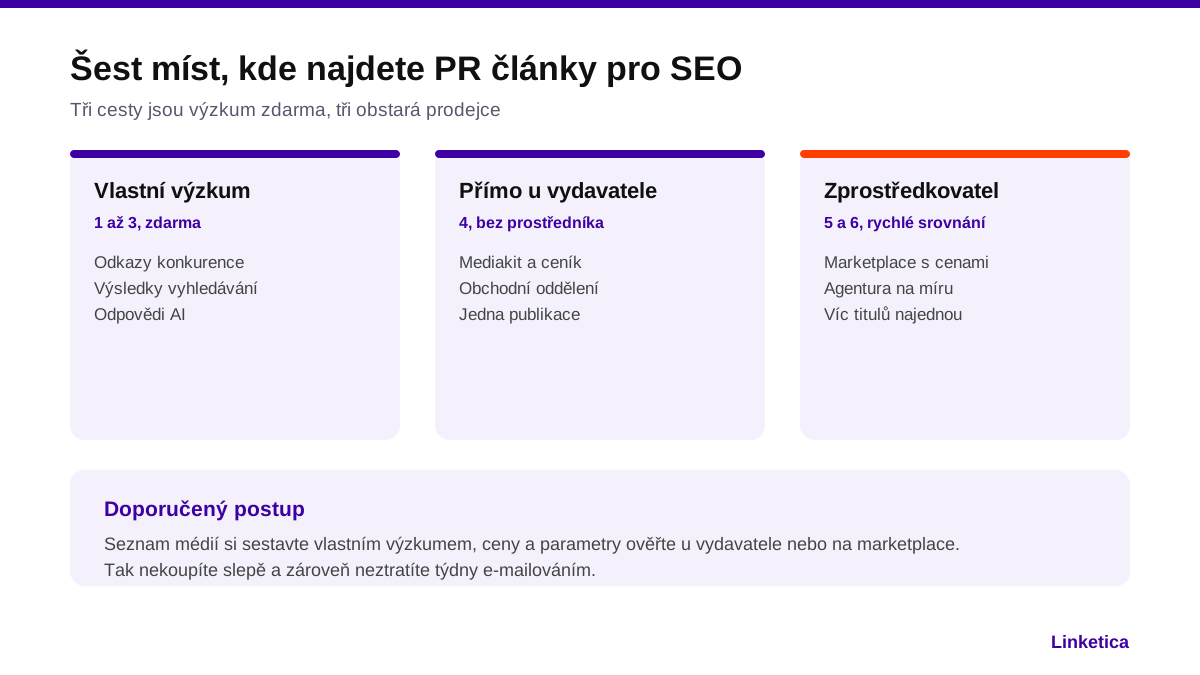
With that media footprint the Linketica marketplace helps: medical and lifestyle media with parameters up front, where your expert can publish comments and texts under their own name – labelled, trustworthy and quotable.
Časté otázky
What does YMYL mean and why does health fall under it?
Must health content be written by a doctor?
What may a supplement e-shop claim?
How does a smaller clinic or pharmacy build credibility?
Zdroje a doporučená literatura
Zjistěte zdarma, jak vás vidí AI
Nechte jméno, e-mail a telefon a odemkneme vám online audit AI viditelnosti + checklist „Doporučuje vás AI?“ ke stažení.
Chcete rovnou nakupovat PR články a zmínky? Vyzkoušet Linketicu · Nezávazná poptávka na míru
Zadáním kontaktu souhlasíte s jeho použitím pro zpřístupnění auditu a zaslání tipů. Údaje nepředáváme dál. · Linketica.com